
You have 0 items in your cart

Why Real Estate Negotiation Lawyers Are Essential for High-Stakes Property Deals

A real estate negotiation lawyer serves as your legal advocate throughout property transactions, protecting your interests from the initial offer through closing. These specialized attorneys handle contract drafting, due diligence, dispute resolution, and strategic negotiation to prevent costly mistakes and maximize your deal outcomes.
Key roles of a real estate negotiation lawyer:
- Contract Negotiation: Draft and review Letters of Intent (LOI) and Purchase & Sale Agreements (PSA)
- Risk Management: Identify hidden liabilities, zoning issues, and environmental concerns
- Dispute Prevention: Structure deals to avoid future litigation and breaches
- Financial Protection: Steer tax implications, financing terms, and liquidated damages
- Closing Support: Manage escrow, contingencies, and final transaction details
Real estate represents one of the largest investments most people make. Whether you’re buying your first home or closing a multi-million dollar commercial deal, the stakes are incredibly high. With California residential real estate disputes often involving verdicts reaching $2.8 million in fraud cases, having skilled legal representation isn’t just smart – it’s essential protection for your financial future.
I’m Michael Hurckes, Managing Partner at Ironclad Law, where I’ve spent years helping clients steer complex property transactions and disputes through strategic legal counsel. My experience in litigation and regulatory matters has shown me how proper legal representation as a real estate negotiation lawyer can make the difference between a successful deal and a costly disaster.
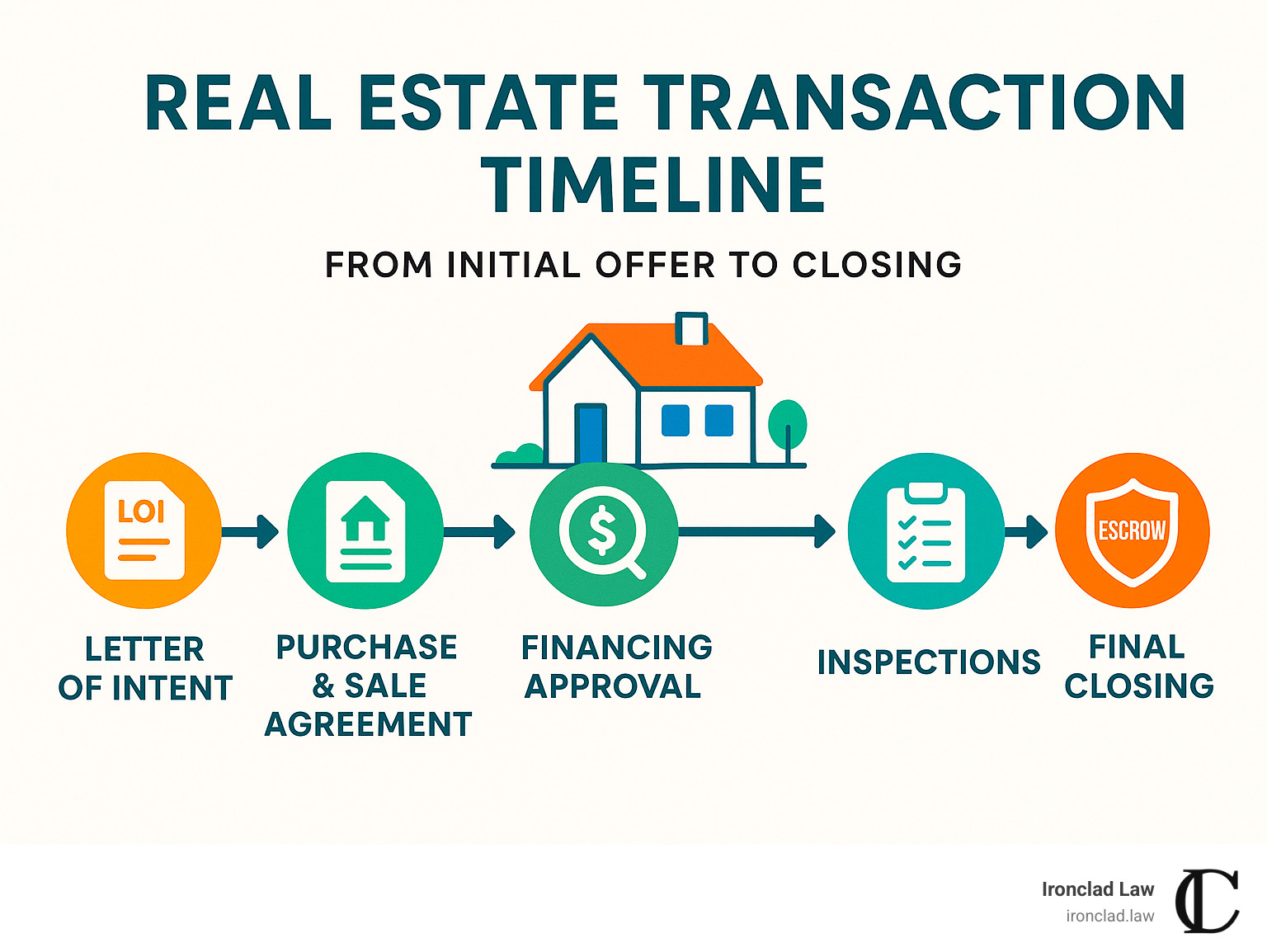
Understanding the Role of a Real Estate Negotiation Lawyer
Think of a real estate negotiation lawyer as your personal bodyguard in property deals. While real estate agents focus on getting deals done, we’re the ones making sure those deals don’t come back to bite you later.
Our job starts before you even make that first offer. We’re strategic partners who help you win negotiations, avoid costly mistakes, and protect your interests. Here’s what makes us different: we work exclusively for you, not the transaction. Agents earn commissions when deals close, which creates pressure to keep things moving. We get paid to protect your legal and financial interests, even if that means walking away from a bad deal.
The heart of our work involves crafting and negotiating Letters of Intent (LOI), Purchase and Sale Agreements (PSA), managing escrow processes, and handling contingency periods. When things go wrong, we pursue specific performance remedies or defend you against breach claims.
| Real Estate Agent | Real Estate Negotiation Lawyer |
|---|---|
| Facilitates transaction | Protects legal interests |
| Earns commission on sale | Provides independent legal counsel |
| Uses standard forms | Drafts custom legal documents |
| Limited legal knowledge | Specialized legal expertise |
| Cannot provide legal advice | Provides comprehensive legal strategy |
| Focuses on closing deals | Focuses on risk management |
Core Responsibilities of a Real Estate Negotiation Lawyer
Letters of Intent set the tone for everything that follows. Even “non-binding” LOIs can become binding in practice. A well-crafted LOI gives you negotiating advantages that last through closing.
Purchase and Sale Agreements are complex legal documents that determine your rights, obligations, and remedies if things go sideways. We negotiate every clause, from purchase price to representations and warranties that protect you from hidden problems.
Managing contingency calendars is critical. Miss an inspection deadline by one day, and you could lose your right to back out of a bad deal. We track every deadline to maintain your flexibility.
Title review is where our expertise shines. We examine title reports for liens, easements, encroachments, and other issues that could affect your ownership or cost you money.
For detailed analysis of all your transaction documents, our Contract Review team provides comprehensive examination to spot risks and opportunities.
When to Involve Your Real Estate Negotiation Lawyer
The best time to involve a real estate negotiation lawyer is at the offer stage – before you’ve committed to anything in writing. Once you’ve agreed to terms, you’ve lost most of your negotiating power.
Escrow opening is another crucial moment where legal guidance pays dividends. We review escrow instructions and coordinate with title companies to prevent confusion that can derail deals.
During inspections, we help you interpret reports and decide what’s worth fighting for, then negotiate appropriate remedies when problems arise.
Involve Early, Save Big: The Strategic Advantage
Here’s something I’ve learned after years of representing clients: the earlier you bring in a real estate negotiation lawyer, the more money you’ll save. Most people wait until problems arise, and by then, we’re playing defense instead of offense.
Would you rather spend a few thousand dollars upfront to structure a deal properly, or tens of thousands later trying to fix preventable problems?
Early legal involvement pays dividends in multiple ways. We structure deals to minimize your tax burden, identify hidden liabilities before they become your problem, and negotiate terms that give you maximum flexibility and protection.
California’s liquidated damages rules can be brutal. If you wrongfully back out without good reason, the seller keeps your deposit. But if the seller refuses to sell after you’ve waived contingencies, you can force the sale and potentially recover attorney fees. Knowing these rules before you sign lets us negotiate better terms.
Tax planning is where early involvement really shines. California’s Proposition 13 keeps property taxes manageable, but Proposition 19’s recent changes created new transfer rules that can trigger massive tax reassessments. We help you steer these changes and sometimes save clients hundreds of thousands in taxes.
For investors, 1031 exchanges offer incredible tax deferral opportunities – but only if planned from day one. However, the timing requirements are strict and unforgiving. Miss a deadline, and you lose the entire tax benefit.
Our Legal Risk Management approach means we’re constantly looking ahead, identifying potential problems before they become expensive disasters.
Benefits at the Letter of Intent Stage
The Letter of Intent stage is where we can work magic. Even though LOIs are often labeled “non-binding,” they create powerful psychological anchors that shape everything that follows.
We establish price ranges, contingency periods, and closing timelines that work in your favor. We negotiate exclusivity windows that prevent sellers from entertaining other offers while you’re doing your homework.
Changes are relatively cheap and easy at the LOI stage. We can adjust terms and add protective clauses without the complex modification procedures required once you have a binding agreement.
Benefits During Due Diligence & Financing
The due diligence period is your last chance to find problems before you’re committed. This is where having experienced legal counsel becomes critical. We coordinate comprehensive property investigations and ensure regulatory compliance.
Loan covenants buried in financing documents can significantly impact how you use your property. We review these provisions carefully and negotiate modifications to preserve your operational flexibility.
Environmental reviews have become increasingly important in California. The California Environmental Quality Act requires environmental review for new construction projects, and we ensure you’re compliant with CEQA requirements while identifying potential environmental liabilities.
ADA compliance issues can create significant liability exposure. Our team has defended over 750 ADA claims nationwide, so we understand exactly what to look for and how to minimize these risks.
Key Negotiation Documents & Points Every Deal Must Nail

Think of your real estate transaction as a complex puzzle where every piece must fit perfectly. Miss one critical detail, and the whole deal can fall apart. That’s why having a skilled real estate negotiation lawyer who knows exactly which documents and terms can make or break your deal is essential.
Indemnification clauses are your financial lifeline when problems surface after closing. We negotiate these provisions to ensure the seller takes responsibility for misrepresentations or environmental surprises.
Representations and warranties serve as your insurance policy against seller deception. We craft detailed requirements that force sellers to disclose everything from property condition to legal compliance issues.
Damage and destruction provisions determine who pays when disaster strikes between signing and closing. Without proper negotiation, you could be forced to buy a fire-damaged property.
Proration calculations ensure property taxes, insurance, rents, and other expenses are divided fairly. Small errors add up fast and can cost thousands.
In Los Angeles and other California cities, rent control laws add complexity that can dramatically impact your property’s value and cash flow potential.
Escrow deadlines create binding obligations with real consequences. Miss a deadline, and you could lose your deposit or face a breach lawsuit.
LOI vs PSA: Two Separate Negotiations
Your Letter of Intent and Purchase and Sale Agreement represent two completely different negotiations, each with its own strategy and risks.
The LOI stage is where we test the waters. Since these documents are typically non-binding, we can propose aggressive terms and establish favorable frameworks without committing you to anything.
But binding language can sneak into LOIs if you’re not careful. Courts sometimes enforce provisions that create specific obligations. We craft LOIs that preserve your negotiating flexibility while avoiding these traps.
The Purchase and Sale Agreement is where everything becomes real. Every word carries legal weight, and every deadline becomes a binding obligation. We negotiate detailed provisions while ensuring everything is legally enforceable if disputes arise.
Residential vs Commercial: What Changes?

Commercial real estate involves a completely different world from residential transactions. While buying a house uses mostly standardized forms, commercial deals require custom documentation custom to your specific business needs.
Use restrictions become critical in commercial transactions. That building might be perfect for your restaurant, but if it’s zoned for retail only, you could face costly surprises. We analyze current zoning classifications and permitted uses that could affect your operations.
Landlord-tenant statutes add complexity when buying properties with existing tenants. We review every lease agreement and structure your purchase to minimize liability for inherited tenant problems.
Environmental compliance requirements are typically much more stringent for commercial properties, requiring extensive due diligence and potentially costly remediation obligations.
Pitfalls, Disputes, and How Your Lawyer Keeps You Safe
Real estate deals can go sideways fast, and when they do, the financial consequences can be devastating. That’s where having a skilled real estate negotiation lawyer becomes your financial lifeline.
Non-disclosure issues cause some of the messiest disputes we handle. Sellers are legally required to tell you about known problems, but what counts as “material” or “known” often becomes a legal battlefield. We protect you by demanding detailed written disclosures and crafting ironclad indemnification clauses.
Misrepresentation claims can hit hard financially. When sellers lie about property condition, rental income, or legal compliance, damage awards can be staggering. Recent California cases have resulted in verdicts of $2.8 million and $1.4 million. We structure deals with comprehensive written representations and ensure you have proper insurance coverage.
Breach of contract situations require immediate, strategic action. In California, if you’re a buyer who wrongfully backs out, the seller keeps your deposit as liquidated damages. But if a seller refuses to sell after you’ve removed contingencies, you can force the sale through specific performance and potentially recover attorney fees.
Specific performance lawsuits give buyers unique power in real estate disputes. Since every property is considered legally unique, you can often force a seller to complete the sale rather than just collect money damages.
California’s mediation requirements in standard real estate forms mean you must attempt mediation before going to court. We prepare clients for effective mediation and develop strategies that often resolve disputes without lengthy litigation.
Our Business Dispute Resolution team brings decades of experience to real estate conflicts, from initial negotiations through trial when necessary.
How Real Estate Negotiation Lawyers Handle Breaches & Failed Closings
When deals fall apart, quick action often determines whether you recover your money or lose everything. We’ve developed battle-tested approaches that maximize your recovery while minimizing time and cost.
Escrow cancellation requires precise procedures to protect your deposit and avoid liability claims. One missed step can cost you thousands. We coordinate directly with escrow companies to ensure every document is filed correctly.
Court injunctions can stop sellers from selling to someone else while your dispute gets resolved. These emergency orders require immediate action and compelling legal arguments, but they can preserve your deal when properly pursued.
Collaborating With Brokers, Lenders, and Inspectors

Real estate transactions work best when everyone on your team communicates clearly. As your real estate negotiation lawyer, we act as the legal quarterback, coordinating with brokers, lenders, and inspectors to keep your deal moving smoothly.
Clear communication prevents misunderstandings that can torpedo deals. We establish communication protocols, coordinate document sharing, and ensure everyone understands critical deadlines.
Role clarity helps avoid conflicts. Your broker facilitates the transaction, your lender provides financing expertise, and your inspector identifies property defects. We handle legal compliance, risk management, and dispute resolution.
Choosing the Right Real Estate Negotiation Lawyer & Understanding Costs
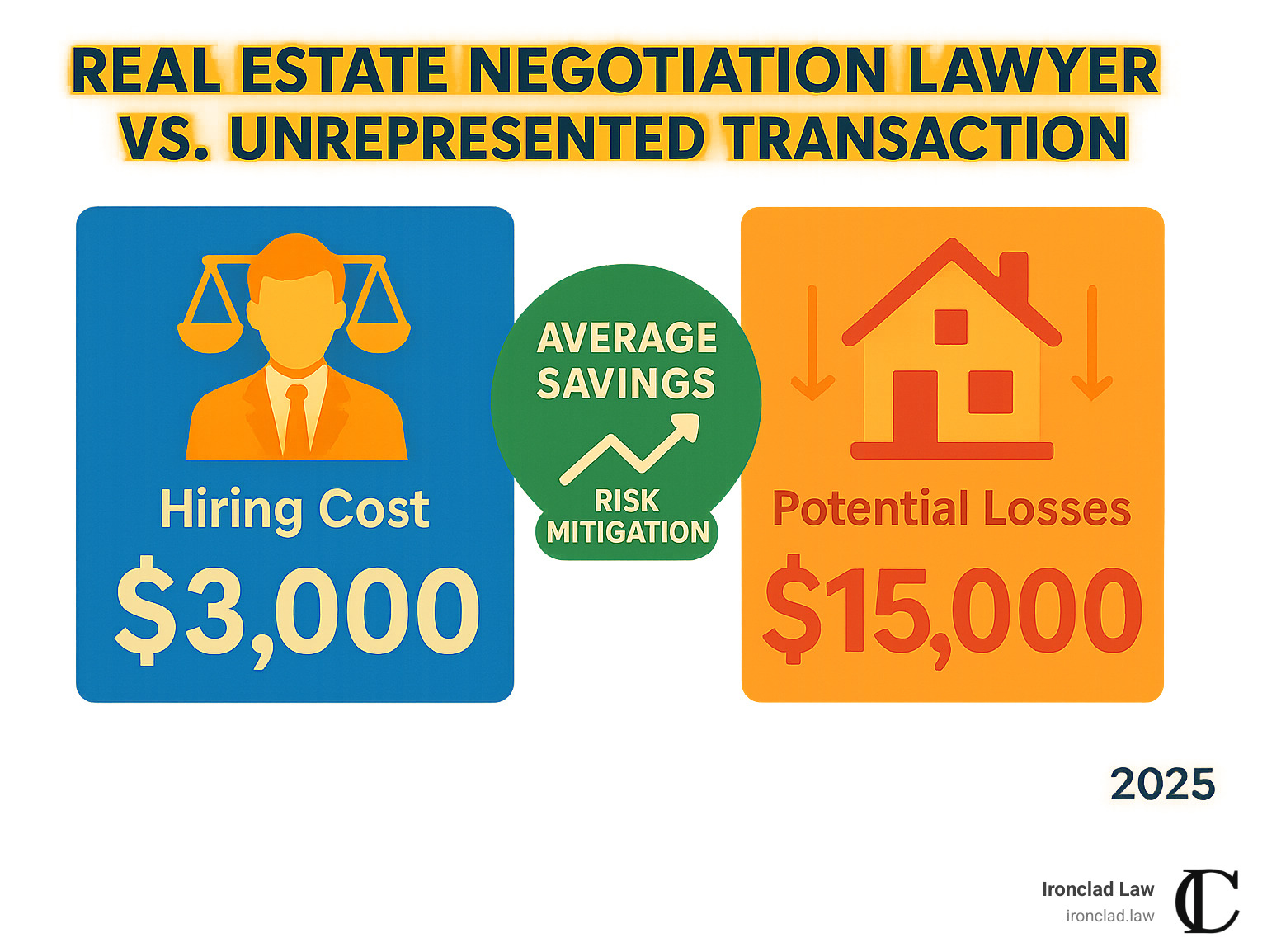
Finding the right real estate negotiation lawyer is crucial – the wrong choice can cost you far more than attorney fees.
Experience matters, but the right kind of experience matters more. Look for attorneys who’ve successfully steerd deals similar to yours in size, complexity, and property type. If you’re buying a $5 million office building, you want someone who’s done that before.
Local expertise can make or break your deal. California’s Proposition 13 rules, Los Angeles rent control laws, and CEQA environmental requirements create unique challenges that out-of-state attorneys don’t understand.
The commercial versus residential divide runs deeper than most people realize. Commercial deals involve lease reviews, zoning analysis, and complex financing structures that residential attorneys rarely encounter.
Fee structures vary widely. Some attorneys charge hourly rates from $300 to $800+ per hour, while others offer flat fees. Hourly billing works well for complex deals, but flat fees provide cost certainty for straightforward transactions.
The potential savings from proper legal representation often dwarf attorney fees. Better contract terms, avoided penalties, tax savings, and dispute prevention can save tens of thousands of dollars.
Our Property Transaction Lawyer services provide comprehensive legal support custom to your specific transaction needs.
Questions to Ask Before You Hire
“How many deals like mine have you closed in the past year?” You want specific numbers, not vague assurances. Recent relevant experience matters more than volume from years ago.
“What’s your availability, and who backs you up?” Real estate deals don’t wait for convenient schedules. You need someone who responds promptly and has competent support when unavailable.
“How do you handle difficult negotiations?” The approach should match your personality and situation. A contentious dispute might require aggression, while a family home purchase might benefit from collaboration.
“Are you prepared to go to court if necessary?” This reveals litigation readiness, which provides crucial leverage in negotiations.
Calculating Return on Legal Investment
The math on legal representation is usually compelling. Recent California verdicts of $2.8 million and $1.4 million in real estate fraud cases illustrate what’s at stake when things go wrong.
Tax savings alone can justify legal fees. Properly structured 1031 exchanges can defer hundreds of thousands in capital gains taxes, while Proposition 19 planning can preserve property tax benefits. These strategies often exceed legal costs by 10-to-1 or more.
Better financing terms negotiated by experienced counsel save money throughout the loan term. Improved interest rates, reduced fees, and better covenant terms provide ongoing benefits that compound over time.
Frequently Asked Questions about Real Estate Negotiation Lawyers
What does a real estate negotiation lawyer cost, and how are fees structured?
For residential transactions, comprehensive legal representation typically costs between $1,500 to $5,000. Commercial deals range from $10,000 to $50,000 depending on complexity.
Most attorneys use hourly billing ($300 to $800 per hour), flat fees for predictable transactions, or hybrid arrangements combining both approaches.
Good legal representation often saves more than it costs. A 0.1% improvement in financing terms on a $1 million property saves $1,000 annually – often more than the legal fees for the entire transaction.
Can one lawyer represent both buyer and seller in a transaction?
This is legally possible but practically problematic. Dual representation creates inherent conflicts that most experienced attorneys avoid.
Buyers want the lowest price and maximum inspection time. Sellers want the highest price and quick closing. These interests are fundamentally opposed, making it nearly impossible for one attorney to zealously advocate for both parties.
We strongly recommend each party retain separate counsel to ensure independent representation. The peace of mind from knowing your real estate negotiation lawyer is working exclusively for you is worth the investment.
What happens if new defects are found after closing despite thorough negotiation?
Seller representations and warranties create ongoing obligations that survive closing. If the seller misrepresented something, you may have grounds for recovery even after closing.
Indemnification clauses allocate responsibility for hidden problems. These provisions require sellers to compensate buyers for certain post-closing issues.
Your post-closing remedies depend largely on contract terms negotiated before closing. This is why involving a real estate negotiation lawyer early is crucial.
Immediate legal consultation is essential when post-closing problems arise. Waiting too long can eliminate your options entirely.
Conclusion
Your real estate transaction could be the biggest financial decision of your life. Whether you’re buying your dream home or closing a multi-million dollar commercial deal, the stakes are simply too high to go it alone.
Here’s what I’ve learned after years of representing clients: the biggest mistake most people make is calling a lawyer after they’ve already negotiated the terms. By then, you’ve locked yourself into conditions that might not serve your best interests.
At Ironclad Law, we take an assertive approach to real estate negotiations because your financial future depends on it. We don’t just review contracts – we strategically position you for success from the very first conversation about price and terms.
The difference between a good deal and a great deal often comes down to having the right legal team in your corner. Our litigation experience gives us credibility to negotiate aggressively when needed, while our deep understanding of California real estate law helps us spot problems before they become expensive disasters.
Think about it: would you rather spend a few thousand dollars on legal representation upfront, or risk losing tens of thousands later because of a poorly negotiated contract?
Every day we see clients who could have saved money, avoided headaches, and gotten better terms if they’d just picked up the phone earlier. Don’t let that be your story.
Ready to protect your real estate investment with experienced legal counsel? Contact us today for a consultation where we’ll discuss your specific situation and show you exactly how proper legal representation can save you money and reduce your risk.
We believe every property deal deserves ironclad legal protection. Let us prove it to you on your next transaction.
For a comprehensive guide to ensure you don’t miss any critical steps, download our Real Estate Transaction Checklist before you start your next deal.