
You have 0 items in your cart

Succession Management in HRM: A Quick Guide
- What is it? A way to find and prepare the next leaders of a company.
- Why do it? To keep the company strong, even when leaders change.
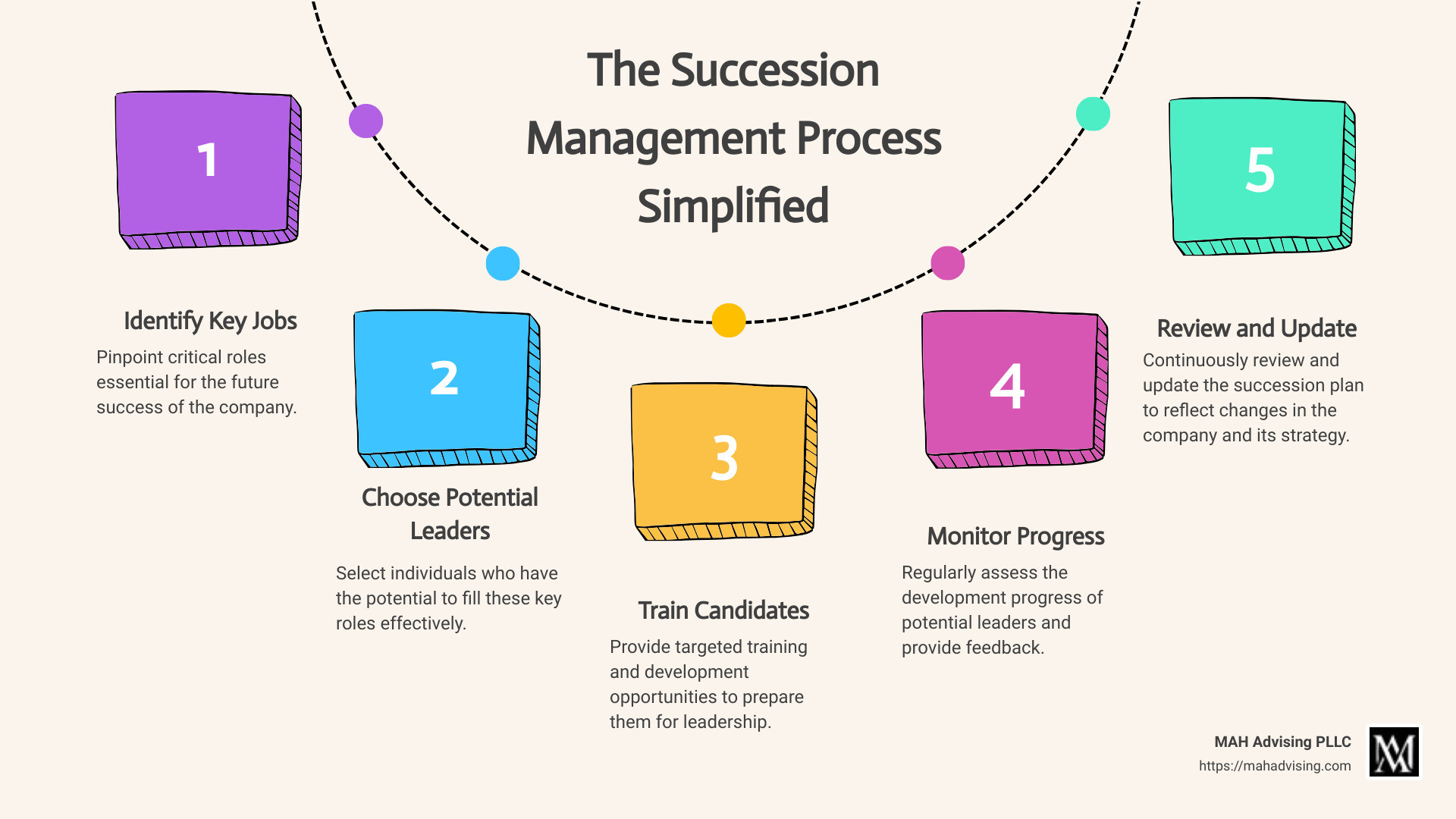
- How is it done? Identify key jobs, choose potential leaders, train them, and keep checking their progress.
Succession management is like planning a long trip. Before you go, you need to make sure someone knows how to steer the ship if you’re not there. In Human Resource Management (HRM), it’s about making sure your company is always in good hands, even when the current leaders move on or retire.
Just like Jim Skinner at McDonald’s mentored Don Thompson to take over as CEO, companies need to prepare for the future. Skinner knew it was crucial to not only select the right successor but also to ensure they were ready to lead. This story highlights the essence of effective succession management.
Succession management in HRM is more than a backup plan; it’s about building a future. Whether you’re expanding overseas or simply ensuring your business stays on track, having the right leaders ready is crucial. It’s not just about avoiding hiccups; it’s about securing a competitive edge in an changing market. Let’s dive into how to make that happen.
Understanding Succession Management in HRM
When we talk about succession management in HRM, we’re diving into a strategy that ensures your business doesn’t just survive changes in leadership—it thrives. Let’s break it down into simpler terms and understand why it’s so crucial.
Definition
At its core, succession management is about planning ahead. It’s like knowing you’ll need an umbrella long before you see clouds. In the workplace, it means identifying key roles and preparing someone to step into these positions well before they become vacant. This isn’t a one-time event but a continuous process that keeps the organization moving smoothly, no matter what changes come its way.
Strategic Importance
Imagine a ship navigating through stormy seas. The captain and crew know exactly what to do, even if the captain suddenly couldn’t steer. That’s the kind of stability succession management brings to an organization. Here are a few reasons why it’s strategically important:
- Future-Proofing: It prepares your organization for unexpected changes, ensuring that critical roles are always covered.
- Talent Retention: By showing employees a clear path to advancement, you’re more likely to keep them aboard. Internal candidates are often more successful and committed than external hires.
- Competitive Edge: Organizations with strong leaders ready to take over can adapt more quickly to market changes, keeping them one step ahead of the competition.
- Knowledge Preservation: It ensures that valuable institutional knowledge is passed down, maintaining the organization’s operational integrity and culture.
Consider the case of McDonald’s Corporation, where succession planning was taken so seriously that the CEO, Jim Skinner, had successors in mind years before he retired. This level of foresight allowed the company to navigate through the loss of two CEOs in 24 months without losing its stride. Skinner’s approach to mentoring his successors, including Chief Operating Officer Don Thompson, exemplifies the strategic importance of having a solid succession plan in place.
Succession management in HRM is not just about filling vacancies. It’s about creating a resilient organization that can withstand leadership changes without missing a beat. It’s about ensuring that the ship not only stays afloat but also continues to sail smoothly, no matter the weather.
Keep in mind that succession management is a team effort involving the CEO, board of directors, and HR, all working together to secure the future success of the organization. With the right plan in place, you can ensure that your organization not only survives change but thrives through it, maintaining a competitive edge in an ever-changing market.
In the next sections, we’ll explore the steps and phases involved in implementing an effective succession management process, ensuring your organization is always prepared for the future.

The Five Steps in the Succession Management Process
Succession management in HRM is like preparing for a big game. You need the right players in the right positions, ready to step up when the moment comes. Let’s break down how to get your team in top shape with these five steps.
Identify Critical Roles
Think of your organization as a puzzle. Some pieces are crucial to seeing the whole picture. These are your critical roles. Here’s how to spot them:
– Impact on Operations: If this role was empty tomorrow, how would it affect your day-to-day operations?
– Strategic Importance: Does this role drive the strategic direction of your organization?
Identifying these roles is the first step in ensuring you’re never caught off guard.
Evaluate Potential Candidates
Now that you know which seats are most important, it’s time to find the people who can fill them. This step is like scouting for talent. You’re looking for:
– Skills and Knowledge: Who has the right mix to step into the role?
– Potential for Growth: Who has shown they can rise to new challenges?
Diversity is key. A variety of perspectives can lead to more innovative solutions.
Development Plan
Found your potential stars? Great! Now, let’s get them ready for the big leagues. This means:
– Tailored Training: What skills do they need to develop?
– Mentorship: Who can guide them on their journey?
– Stretch Assignments: Give them challenges that prepare them for what’s ahead.
Think of this as creating a personalized training regimen that gets them in shape for the future.
Monitor Progress
Keeping an eye on how your potential leaders are doing is crucial. This involves:
– Regular Check-ins: How are they progressing with their development plan?
– Feedback Loops: Are they receiving constructive feedback?
– Adjustments: What tweaks are needed in their plan?
This step ensures your talent is always moving forward and not plateauing.
Review and Update
The only constant in business is change. That’s why the last step is to:
– Reassess Roles: Are your identified critical roles still the same?
– Evaluate Talent Pool: Do you have new emerging talent that could be a good fit?
– Update Plans: What’s changed in your organization that might affect your succession plans?
This step ensures your succession plan stays relevant and aligned with your organizational goals.
By following these five steps, you’re not just preparing individuals for future roles; you’re ensuring your organization not only survives change but thrives through it. The goal of succession management in HRM is to have a bench of talent ready to step into key roles, ensuring a seamless transition and continued success.
The Four Phases of Succession Management
When we talk about succession management in HRM, it’s like preparing for a marathon. You need a plan, the right tools, and a clear understanding of who’s going to run each part of the race. Let’s break down this preparation into four critical phases.
Implementing Software Solution
Think of this as getting the right gear for our marathon. In today’s world, using technology to keep track of everything is a no-brainer. A software solution helps keep all the information about potential successors in one place. It’s like having a digital coach that keeps records of each runner’s performance, health, and readiness for the race. This tool is essential for organizing and managing the succession planning process efficiently. It allows HR teams to easily access information, assess candidates, and plan development activities without getting bogged down by paperwork.
Assessing Key Roles
Before we even start training, we need to know which parts of the marathon are the toughest and require the best runners. This means identifying the key roles within the organization that are critical for success. These are the positions that, if left vacant, could slow down or even halt progress. It’s about understanding which roles have the most impact on the organization’s goals and ensuring we have strong candidates ready to fill these positions when the time comes.
Identifying Potential Employees
Now that we know where we need our strongest runners, it’s time to find them. Identifying potential employees is all about spotting the talent within your organization that has the potential to take on these key roles in the future. This phase involves looking at your team members’ skills, performance, and career aspirations to see who is ready to start training for the big race. It’s important to have a diverse group of candidates to ensure that the organization has a rich pool of talent to draw from.
Creating Development Plans
With our runners identified and the race mapped out, it’s time to start training. Creating development plans for each potential successor is crucial. These plans are tailored to prepare them for the key roles they might take on. This could include specific training programs, mentorship, and stretch assignments that challenge them and help them grow. It’s about giving them all the support, knowledge, and experience they need to be ready when it’s their turn to run.
By following these four phases, you’re setting up a relay race where each runner is prepared, knows the course ahead, and is ready to take the baton when it’s their turn. This ensures that the organization can maintain its pace, overcome obstacles, and reach its long-term goals. Succession management in HRM isn’t a sprint; it’s a marathon that requires careful planning, the right tools, and a dedicated team of runners ready to go the distance.
Next, we’ll dive into the key components that make succession management effective and how to ensure your organization’s leadership pipeline is robust and ready for the future.
Key Components of Effective Succession Management
When we talk about succession management in HRM, we’re really talking about preparing for the future. It’s about making sure your organization can keep moving forward, no matter what happens. Let’s break down what that really means.
Leadership Roles
First things first, identify the leadership roles that are crucial to your business. Think about the roles that, if left vacant, would cause significant disruptions. Remember the story of McDonald’s Corporation, where Jim Skinner, upon becoming CEO, immediately started preparing his successor. This is a prime example of why focusing on leadership roles is vital. Skinner’s foresight ensured McDonald’s leadership remained strong and uninterrupted.
Integrated Approach
Succession management isn’t just an HR task; it’s an organization-wide strategy. It requires an integrated approach that involves every department. By weaving succession planning into the fabric of your company’s operations, you ensure that it’s not just a one-off task but a continuous effort that aligns with your business goals.
Developing Talent
Here’s where the rubber meets the road. Developing talent within your organization is about more than just identifying potential leaders. It’s about providing them with the opportunities to grow. This involves training, mentoring, and giving them challenging assignments to prepare them for future roles. Employees with mentors are more likely to succeed, just like in the case of Jim Skinner and Don Thompson at McDonald’s.
Preparing Employees
Preparing employees for future roles means not only developing their skills but also ensuring they understand the vision and values of your organization. It’s about building a deep bench of talent that’s ready to step up when the time comes. This preparation helps smooth the transition when a leadership change happens, ensuring continuity in your business operations.
Future Roles
Succession management in HRM is all about looking forward. It means having a clear vision of where your organization is headed and preparing employees for these future roles. Whether it’s expansion into new markets or adapting to technological changes, your succession plan should be flexible enough to accommodate the future needs of your business.
Continuous Business Functioning
At the end of the day, the goal of effective succession management is to ensure continuous business functioning. It’s about making sure that your organization can withstand the loss of key personnel without missing a beat. This requires a proactive approach to identifying and developing talent, ensuring that your business can continue to thrive, no matter what challenges lie ahead.
In summary, effective succession management in HRM is about more than just filling vacant positions. It’s about identifying key leadership roles, taking an integrated approach to planning, developing talent within your organization, preparing employees for future challenges, and ensuring your business can continue to function smoothly through any transition. By focusing on these key components, you’ll build a strong foundation for your organization’s future success.
Next, let’s delve into the best practices for implementing these components effectively.
Succession Management Best Practices
When we talk about succession management in HRM, it’s like preparing for a long journey. You need the right map, the right crew, and the right gear. Let’s explore how to equip your organization for a smooth journey into the future.
Strong Leadership
Imagine your organization as a ship. Strong leadership is the captain who steers this ship through storms and calm seas alike. But what happens if the captain is suddenly unable to command?
The story of McDonald’s Corporation serves as a powerful example. After the unexpected loss of two CEOs within 24 months, Jim Skinner stepped in as CEO. Skinner didn’t just focus on immediate challenges; he also mentored his successor, ensuring a smooth transition when he retired. This approach underscores the importance of preparing leaders who can navigate future challenges, not just today’s.
Critical Skills
Next, think of your organization as a puzzle. Every piece is essential, but some pieces are critical to see the whole picture. Identifying and developing these critical skills within your organization ensures that you can complete the puzzle, even if you lose a piece.
Investing in talent development means focusing on the skills your organization needs most. Whether it’s strategic thinking, digital literacy, or empathy, these skills ensure your leaders can tackle future challenges.
Right Talent for Business Objectives
Your organization is on a journey towards specific goals. Having the right talent means having the right people in the driver’s seat at the right time.
This involves strategic hiring and development, ensuring your team not only meets today’s goals but is also equipped to pursue tomorrow’s objectives. It’s about aligning your talent strategy with your business strategy.
Improving Lead Times and Decision Making
Unexpected leadership gaps can slow down decision-making and project timelines. By having a succession plan, you ensure there’s always someone ready to step in, making the transition seamless and maintaining momentum.
This proactive approach minimizes disruptions, ensuring your organization remains agile and responsive, even in times of change.
Reducing Turnover
Did you know that internal candidates are more likely to stay with your organization than external hires? A study found that external hires are 61% more likely to be laid off or fired, and they often perform worse in performance reviews.
By focusing on internal talent development and succession planning, you not only fill leadership roles with familiar faces but also boost overall retention. Employees see a clear path for growth, which increases their commitment to your organization.
Knowledge Transfer
Finally, think of your organization’s knowledge as a treasure trove. Succession management ensures this treasure is passed down, maintaining your organizational wisdom and culture.
Through mentorship and leadership development programs, experienced leaders can pass on their insights, ensuring the next generation is ready to lead.
By focusing on these best practices, you’re not just preparing for the future; you’re actively shaping it. Strong leadership, critical skills, the right talent, efficient decision-making, reduced turnover, and effective knowledge transfer are the keys to a successful succession management strategy in HRM.
Next, we’ll answer some of the most frequently asked questions about succession management in HRM.
Frequently Asked Questions about Succession Management in HRM
Succession management in HRM is a topic many have questions about. Let’s dive into some of the most common queries.
What is the importance of succession management in HRM?
In simple terms, succession management in HRM is like having a backup plan for your most important roles. But it’s more than just backups. It’s about:
- Keeping the business running smoothly, no matter what happens. If someone leaves suddenly, you’re ready.
- Growing your own leaders. It’s cheaper and often more effective than hiring from outside.
- Making sure the company keeps its knowledge. When people leave, their understanding of the job can leave with them. Succession management helps pass this knowledge on.
How can companies identify potential succession candidates?
Finding the right people for future roles isn’t magic. It’s a process. Here’s a simple way to start:
- Look at your critical roles. Which positions must you always have filled to keep things running?
- Think about skills, not just people. What abilities does someone need to do these jobs well?
- Keep an eye on your team. Who shows the potential? Who’s interested in growing their career with you?
Remember the story of Jim Skinner at McDonald’s? He didn’t just look for his successor when he was ready to retire. He was always on the lookout, asking managers for names of potential leaders. That’s a good practice.
What role does HR play in the succession management process?
HR is like the coach of a sports team. They’re not playing the game, but they’re making sure the team is ready. In succession management, HR needs to:
- Identify which roles are critical. Not every job is a key role. HR helps figure out which ones are.
- Find and develop talent. This means training, mentoring, and giving people chances to grow.
- Keep the conversation going. Succession planning isn’t a one-time thing. HR keeps it on everyone’s mind.
In short, HR’s job is to make sure the right people are ready to step into the right roles at the right time. It’s about planning for the future today, so the company keeps moving forward, no matter what happens.
As we’ve seen, succession management in HRM is crucial for any organization’s long-term success. It ensures that the company remains strong, even as leaders change. It’s about being prepared, developing your team, and making sure everyone knows there’s a path forward. With the right approach, companies can turn potential challenges into opportunities for growth and renewal.
Conclusion
At MAH Advising PLLC, we understand the critical importance of succession management in HRM. It’s not just about filling positions; it’s about preparing for the future, ensuring the continuity of leadership, and preserving the unique culture and knowledge of your organization. Our approach to succession management is designed to help your company not only survive transitions but thrive through them.
Succession management is a journey, not a destination. It requires ongoing attention, assessment, and adjustment. The business landscape is ever-changing, and so are the skills and capabilities needed to lead within it. That’s why our process is dynamic, tailored to your organization’s specific needs and goals.
We’ve seen the difference that effective succession management can make. Companies that invest in developing their talent and planning for the future are more resilient, more agile, and better positioned to seize new opportunities. They’re also more attractive to top talent, who are looking for employers that will invest in their growth and development.
Let us help you secure your company’s future. Our team at MAH Advising PLLC is ready to partner with you to develop a succession management plan that aligns with your strategic objectives and builds a strong leadership pipeline. Together, we can ensure that your organization is prepared for whatever the future holds, with the right people in the right roles, ready to lead your company to continued success.
For more information, visit our practice areas page and discover how we can support your succession management needs. Let’s build a future-proof organization together.
The future of your business is too important to leave to chance. With MAH Advising PLLC, you’re not just planning for the future; you’re actively shaping it.